
Chasing the last light
A red sun behind the turbines, a seedhead against the glow and a bridge at dusk. How a long lens changes what a sunset can be.
Most sunset photographs fail for the same reason: the sun is a tiny white dot in a big orange sky. The fix is not a better sky. It is a longer lens, and something interesting to put in front of the sun.
Make the sun bigger
The frame above was shot at 210mm, f/13 and 1/80s, as the sun dropped behind a line of wind turbines. At that focal length the sun takes up real space in the frame, and the turbines become small, crisp silhouettes against it.
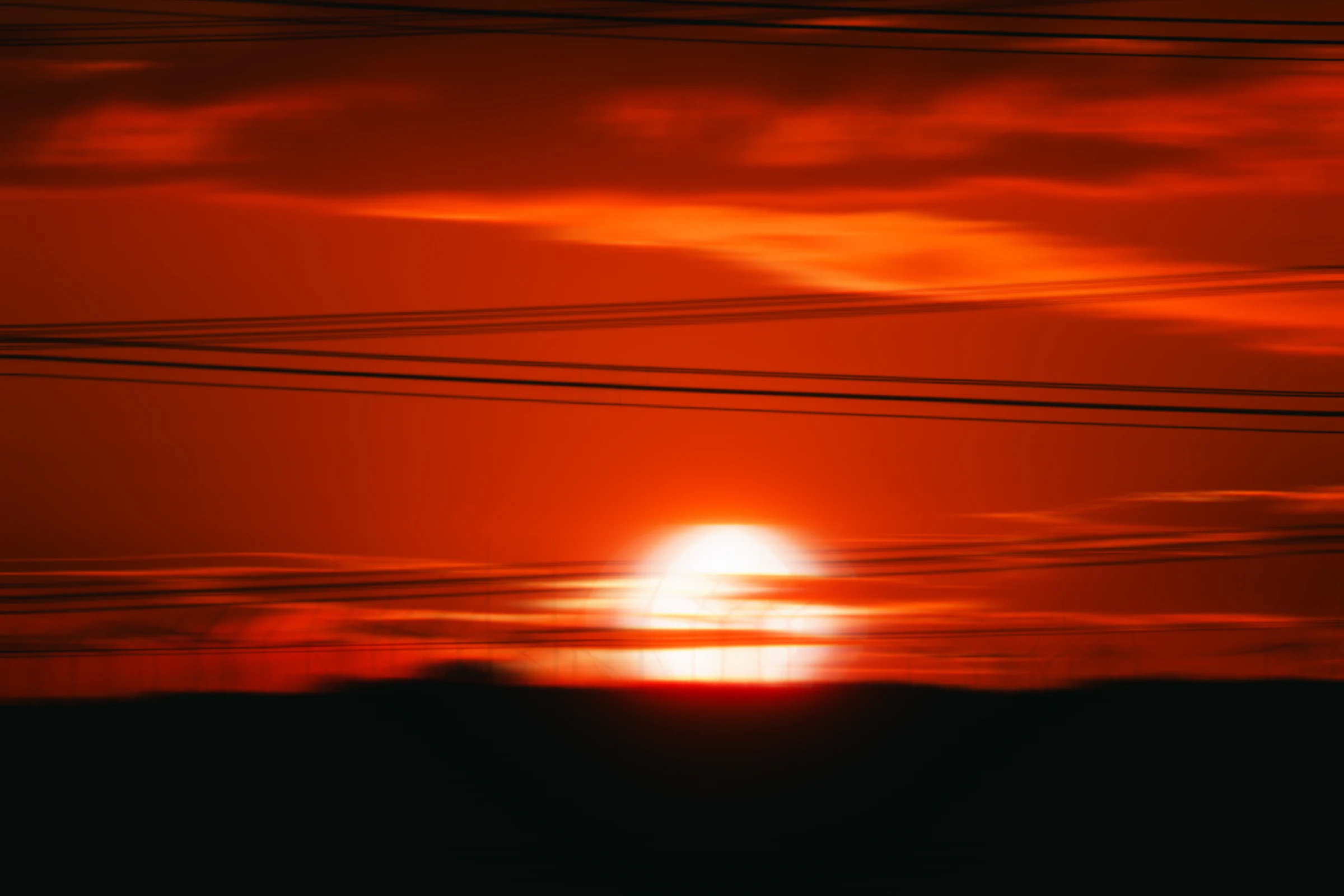
Go longer and the effect gets stronger. This one was 400mm at f/16. The power lines cutting across the sun would be invisible on a wide lens; here they are the whole picture.
Something in front of the sun makes the photograph. The sky is just the backdrop.
Expose for the sky
A sunset scene is far brighter than it looks, so let the foreground go to black. Silhouettes are the reward. A pylon, a seedhead or a line of trees reads beautifully as a pure shape against the colour.
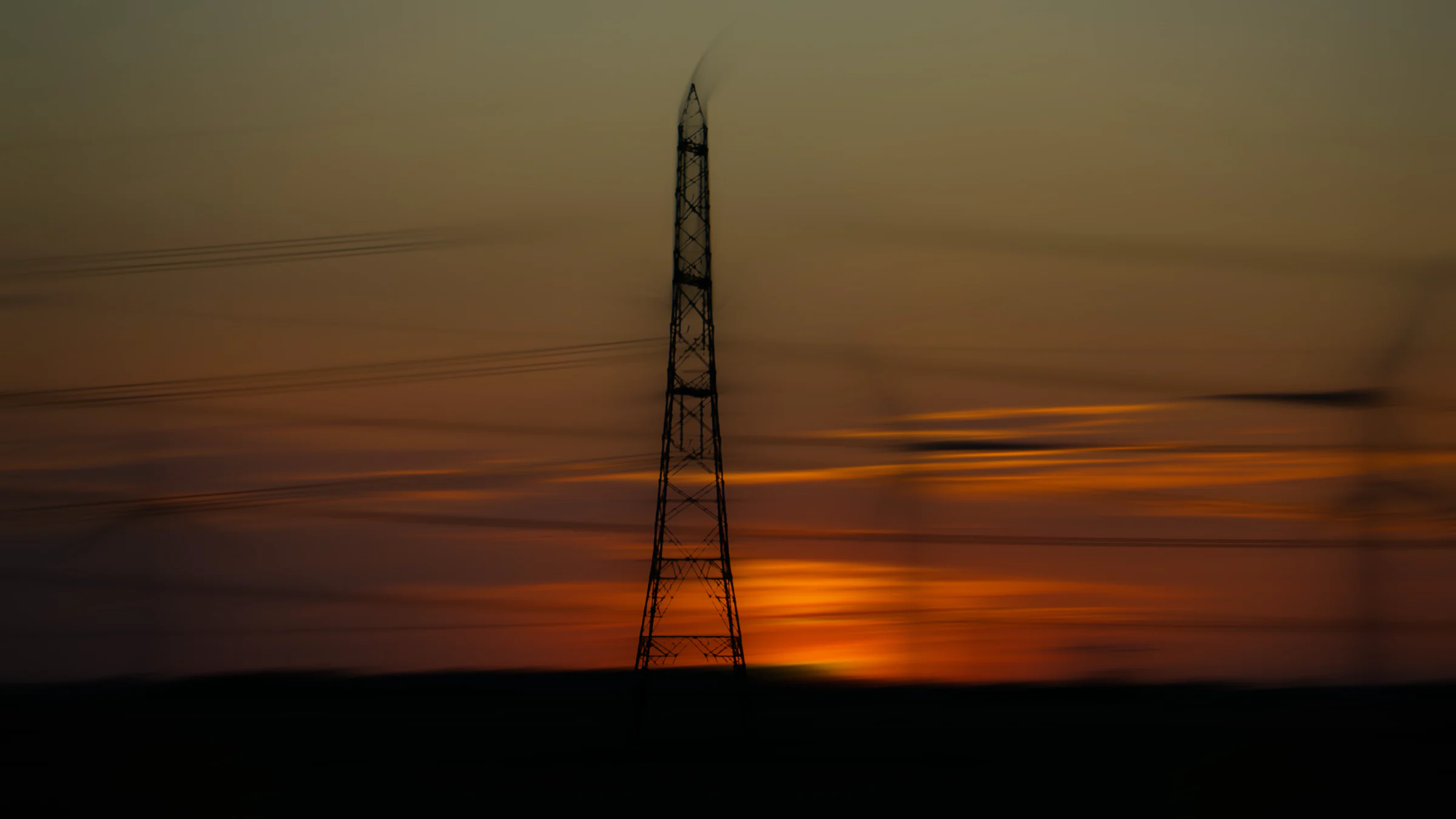

Getting low and close to a small subject, like the seedhead above, turns it into a silhouette as big as the sun itself. It is the opposite approach to the long lens, and it works just as well.
Use the water
Water doubles the light. A low sun over a river or estuary lays a path of colour straight towards you, and stopping down to f/11 keeps the reflection crisp.
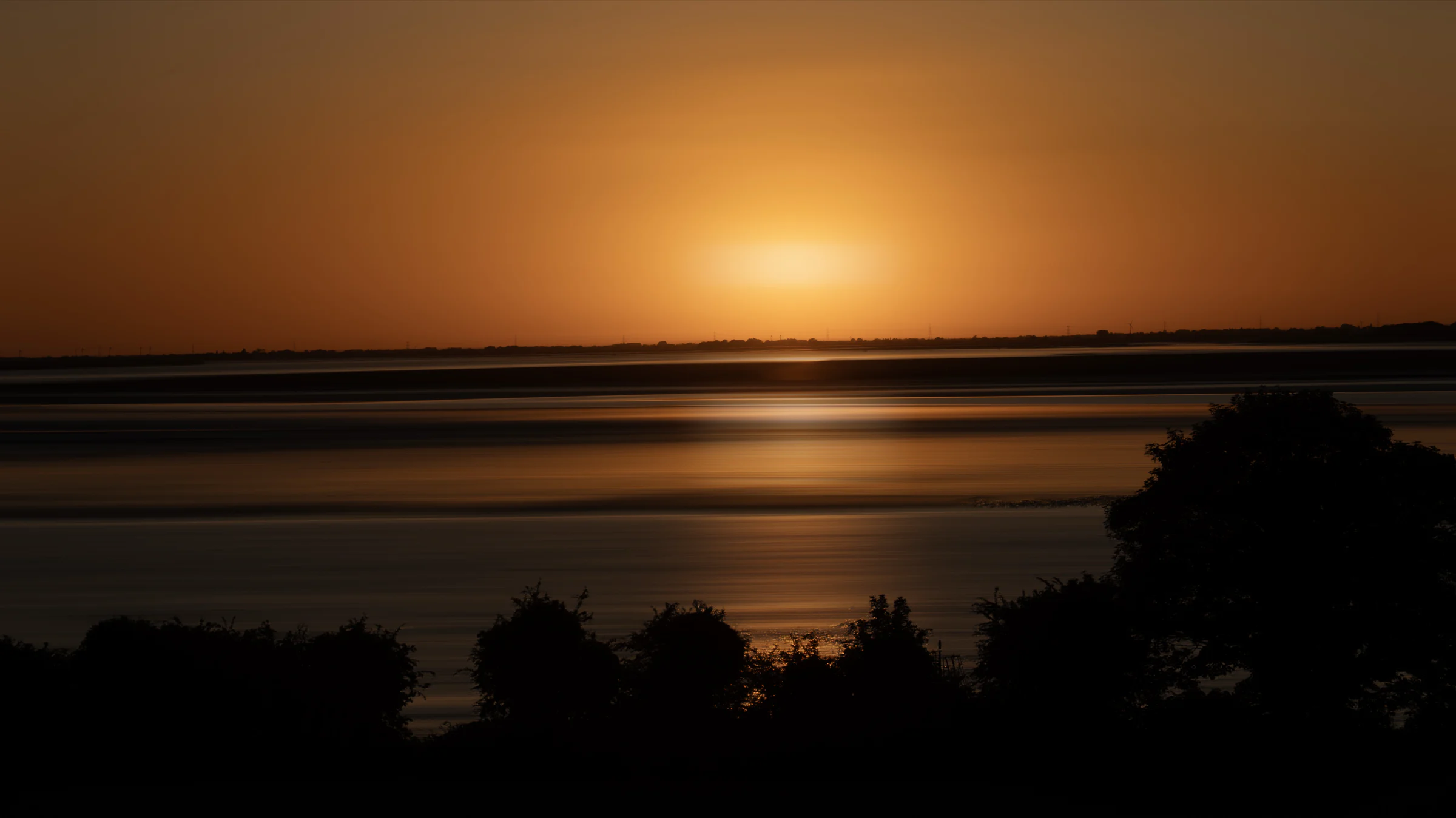

Do not pack up when the sun goes
Some of the best colour arrives after the sun has gone. The clouds keep catching light from below the horizon, and the sky turns pink and violet for ten or fifteen minutes.

A word on safety
Never look at the sun through an optical viewfinder, and especially not through a long lens. Compose on the rear screen or an electronic viewfinder, keep the sun low and hazy, and do not leave the camera pointed at a bright sun for long.


Comments
No comments yet. Be the first.